
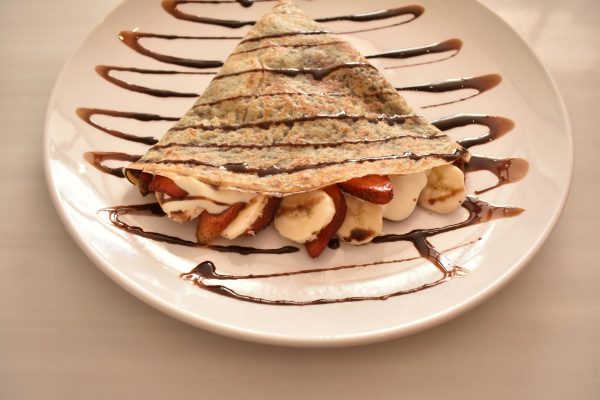
What Makes a Crepe Perfect
A perfect crepe is paper-thin, slightly crispy at the edges, and tender in the center. This French classic requires precision in both technique and ingredients. Whether you prefer sweet crepes filled with Nutella and fresh strawberries or savory options with quality cheeses and roasted vegetables, the foundation determines everything.
At Chocolate SD in the Gaslamp Quarter, crepes are made fresh to order using house-made batters and premium ingredients. The difference between a mediocre crepe and an exceptional one comes down to a few key factors that professional kitchens have perfected over generations.
This guide covers the techniques, ingredients, and methods that separate amateur attempts from restaurant-quality results.
The Batter Foundation
Getting the Ratio Right
Crepe batter relies on a specific balance of flour, eggs, milk, and butter. Too much flour creates a thick, pancake-like texture. Too little makes the batter impossible to spread evenly across the pan.
The standard ratio starts with one cup of flour to two eggs. Milk gets added gradually—usually around one and a quarter cups—until the batter reaches the consistency of heavy cream. Melted butter incorporated at the end adds richness and prevents sticking.
Resting Time Matters
Unlike pancake batter, crepe batter improves significantly with rest. A minimum of 30 minutes allows the flour to fully hydrate and the gluten to relax. Many professional kitchens prepare batter the night before, refrigerating it for use the next day.
Rested batter spreads more evenly and produces a more delicate texture in the finished crepe.
Temperature and Timing
Finding the Sweet Spot
Pan temperature makes or breaks a crepe. Too hot, and the batter sets before it can spread thin. Too cool, and the crepe becomes rubbery and pale.
The ideal temperature allows a thin layer of batter to set within 30 to 45 seconds. A properly heated pan produces crepes with those characteristic golden-brown spots without burning.
The Pour and Swirl Technique
Speed matters the moment batter hits the pan. Experienced crepe makers pour batter into the center and immediately tilt the pan in a circular motion. This happens in one fluid movement—hesitation results in uneven thickness.
The first crepe from any batch often gets discarded. It serves as a temperature test, allowing adjustments before committing to the rest of the batter.
Sweet Crepe Fillings That Work
Classic Combinations
Sweet crepes pair with ingredients that balance richness with brightness. The most successful fillings follow these principles:
- Nutella with fresh bananas creates contrast between chocolate and fruit
- Mascarpone with house-made jams offers tanginess against sweetness
- Fresh strawberries with pastry cream provide texture variation
- Caramelized walnuts with bananas add crunch to soft fillings
Building Flavor Layers
Simple crepes with honey and powdered sugar let the batter shine. More complex options layer multiple components—chocolate with mascarpone, or strawberries with Nutella. The best fillings complement rather than overwhelm the delicate crepe itself.
Savory Crepe Construction
Cheese Selection
Savory crepes rely heavily on cheese choice. Each variety brings different melting properties and flavor profiles:
- Fresh mozzarella creates clean, mild pools of cheese
- Gruyère adds nutty depth and excellent melt
- Fontina brings smooth texture with subtle earthiness
- Smoked mozzarella delivers savory complexity
- Parmesan provides sharp, salty contrast
Protein and Vegetable Pairings
Quality savory crepes balance protein, cheese, and vegetables in proportions that allow each element to register. Rosemary chicken pairs naturally with roasted zucchini. Portobello mushrooms stand up to strong Gruyère. Imported ham needs only simple Fontina to shine.
The key is restraint—overstuffed crepes tear and lose their delicate character.
Common Mistakes to Avoid
Batter Problems
Lumpy batter happens when flour gets added too quickly. Sifting flour and adding liquid gradually prevents clumping. If lumps form anyway, straining the batter through a fine mesh removes them.
Over-mixing creates tough crepes. Once ingredients combine, stop stirring. The batter should look slightly loose rather than thick.
Cooking Errors
Flipping too early tears the crepe. Wait until the edges visibly dry and pull away from the pan. The surface should look matte rather than wet before attempting to turn.
Using too much butter in the pan seems logical but creates greasy, spotted crepes. A light coating—applied with a paper towel—provides enough coverage.
Equipment That Makes a Difference
The Right Pan
Traditional crepe pans have low, sloped sides that make flipping and spreading easier. A well-seasoned carbon steel pan or quality non-stick surface works best.
Size matters too. A 9 to 10-inch pan produces standard-sized crepes suitable for most fillings.
Helpful Tools
A thin, flexible spatula designed for crepes provides control during flipping. Some cooks prefer an offset spatula for getting under delicate edges without tearing.
A ladle that holds exactly the right amount of batter—usually around a quarter cup—ensures consistency across every crepe in a batch.
Where to Experience Quality Crepes in San Diego
Making crepes at home takes practice, and the learning curve involves plenty of torn attempts and uneven batters. For those who want the result without the trial and error, Chocolate SD in the Gaslamp Quarter offers house-made sweet and savory crepes prepared by experienced kitchen staff.
Visit Chocolate SD to taste the difference proper technique and quality ingredients make in every crepe.